Porcelain veneers are designed to improve the shape, color, and overall appearance of front teeth. For many patients, the main question is simple: how long do porcelain veneers last before they need repair or replacement.
In most cases, porcelain veneers last about 10 to 15 years. Some stay in good condition longer, especially when the teeth are prepared carefully, the bite is stable, and daily care is consistent.
That general range is helpful, but it is not a guarantee. Veneer lifespan depends on the material, the bonding process, the health of the underlying tooth, and how much force the veneers absorb over time.
At Scottsdale Center for Implant Dentistry in Scottsdale, AZ, we offer porcelain veneers and careful evaluations for patients considering cosmetic restorations.
A porcelain veneer is a thin ceramic shell bonded to the front surface of a tooth. It is commonly used to improve discoloration, chips, uneven edges, small gaps, or mild shape differences.
Veneers are not the same as dental crowns. A crown covers the entire tooth, while a veneer covers mainly the visible front portion, which makes treatment more conservative when the tooth is otherwise healthy.
Porcelain is often chosen because it reflects light in a way that looks similar to natural enamel. It also resists staining better than many composite resin materials.
Most well-made porcelain veneers last between 10 and 15 years. In some cases, they can function well beyond that point, but longer survival usually reflects excellent planning and maintenance rather than luck.
Studies on veneer survival show strong long-term performance, especially when veneers are placed on healthy teeth with enough enamel. Enamel is the hard outer layer of the tooth, and it provides a more reliable bonding surface than exposed dentin, which is the softer layer underneath.
A veneer may still be attached after many years but no longer be the best restoration. Replacement may be recommended if the margins become visible, the porcelain chips, the color no longer matches nearby teeth, or decay develops around the edges.
Several factors affect longevity, and they matter more than the calendar alone. A veneer placed under ideal conditions can perform very differently from one placed on a heavily worn or unstable bite.
Bonding to enamel is one of the strongest predictors of long-term success. When a tooth has enough healthy enamel, the veneer bond is usually more durable and less likely to leak or debond.
If a tooth already has large fillings, erosion, or fracture lines, the restoration may face more stress. That does not automatically rule out veneers, but it can change the expected lifespan and sometimes the better treatment choice.
Patients who clench or grind can place repeated pressure on veneers, especially during sleep. This increases the risk of chipping, edge wear, or bond failure over time.
A dentist may recommend a night guard if there are signs of teeth grinding or clenching. For options to manage grinding and protect restorations, see bruxism treatment. For broader tips on preventing wear, see protect your teeth.
Veneers tend to last longer when treatment is planned around the bite, smile line, gum position, and tooth structure. Good laboratory work also matters because the fit, thickness, and contour affect both appearance and durability.
Advanced planning tools such as digital smile design can support more precise outcomes. Poorly designed veneers may look bulky, trap plaque, or hit too hard during chewing.
Porcelain does not decay, but the tooth underneath still can. If plaque builds up around the veneer margins, the risk of gum inflammation and recurrent decay rises.
Daily habits also matter. Opening packaging with your teeth, chewing ice, biting nails, or repeatedly eating very hard foods can increase the chance of fracture.
Patients often compare porcelain veneers with composite veneers before deciding on treatment. Our guide on composite or porcelain veneers explains that comparison in more detail.
In general, porcelain lasts longer, keeps its polish better, and resists staining more effectively. Composite veneers can be a good option in selected cases, especially when a conservative or lower-cost approach is needed.
They are usually easier to repair, but they tend to wear, discolor, and lose surface smoothness sooner than porcelain. That does not mean porcelain is automatically the right choice for every tooth.
The best option depends on the starting condition of the teeth, the cosmetic goals, bite pattern, and how much long-term maintenance is acceptable. Discussing other choices within cosmetic dentistry can help set realistic expectations.
Veneers do not always fail suddenly. In many cases, there are gradual changes that suggest the restoration should be checked.
Common signs include a chipped edge, roughness that was not there before, a veneer that feels loose, or a dark line near the gumline. A change in the way the teeth meet can also matter, especially if a veneer starts taking more force than before.
Some patients notice sensitivity, although that symptom has many possible causes. A loose or fractured veneer should be evaluated promptly because the underlying tooth may become more vulnerable to damage or decay.
Urgent evaluation is especially important if a veneer comes off completely, if there is significant pain, or if the tooth underneath appears cracked. These findings do not always mean a serious problem, but they should not be ignored.
Early failure usually has a reason. It may relate to the bite, the condition of the tooth, the bonding environment, or habits that place too much stress on the restoration.
Common causes include untreated grinding, trauma, poor oral hygiene, large existing restorations, and placement on teeth with limited enamel. Gum recession can also expose the margin over time, which may affect appearance and increase the need for replacement even when the veneer is still attached.
In some cases, the issue is not breakage but appearance. A veneer that once matched well may stand out years later if nearby teeth darken, gums recede, or the original shape no longer fits the smile.
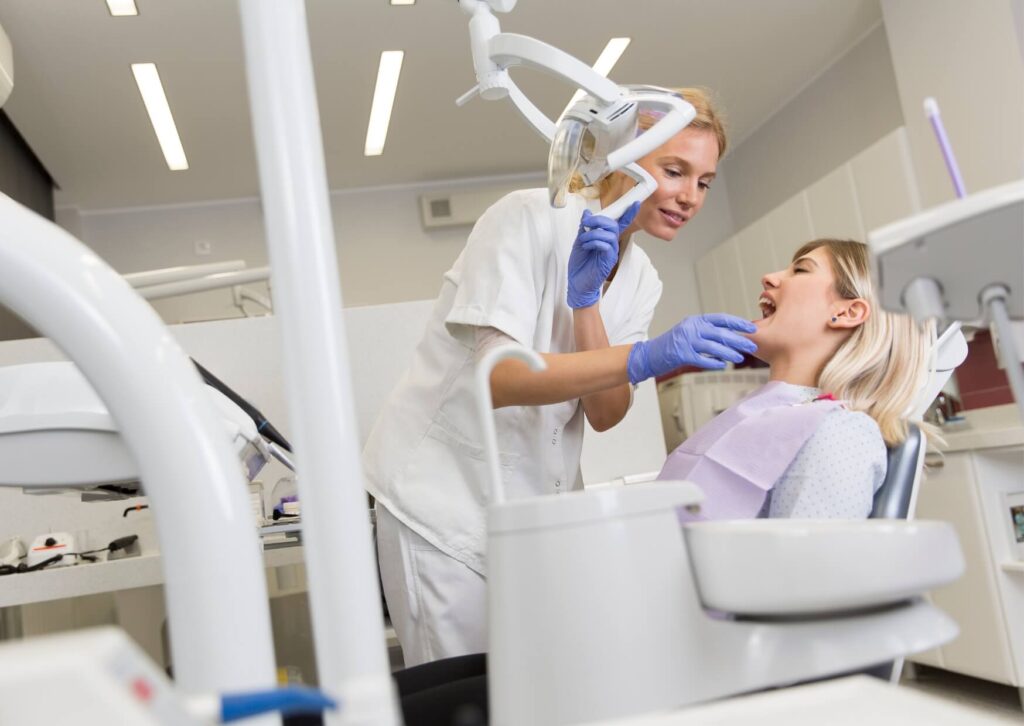
A careful evaluation helps estimate whether veneers are likely to last well in a specific mouth. This includes checking enamel quality, reviewing existing fillings, examining the bite, and looking for signs of grinding, erosion, or gum disease.
Photos, digital scans, and X-rays may all be part of planning. These tools help identify whether the teeth are good veneer candidates or whether another restoration may be more predictable.
This step matters because veneers work best when the teeth are structurally sound and the cosmetic concern is mostly on the visible front surface. If a tooth is heavily broken down, a veneer may not be the most durable choice.
Good maintenance is straightforward, but it needs consistency. Brush thoroughly, clean between the teeth daily, and keep recall visits on schedule so the margins and surrounding gums can be checked.
Regular dental exams and cleanings help catch issues early. If grinding is suspected, ask a dentist whether a protective night guard is appropriate.
That recommendation is common for cosmetic cases because repeated nighttime force can damage even well-made restorations. It is also wise to avoid using the front teeth as tools and to be careful with very hard foods, especially if there is a history of chipping or heavy bite pressure.
Regular professional monitoring matters because small problems are easier to manage early. A minor edge issue or bonding concern may be addressed before it turns into a full replacement.
Porcelain veneers remain a strong long-term option for many patients with healthy teeth who want meaningful cosmetic improvement. They are especially useful when the goal is to change color, shape, minor spacing, or surface irregularities without covering the whole tooth.
They may be less ideal when teeth are extensively restored, structurally weak, or exposed to uncontrolled heavy bite forces. In those cases, a dentist may discuss alternatives such as bonding, orthodontic treatment, or crowns, depending on the problem being solved.
The best results usually come from matching the restoration to the tooth rather than forcing one cosmetic solution onto every case. That is the most practical way to think about durability.
A good consultation should go beyond shade and shape. It should also cover how long the veneers are expected to last in that specific case and what factors could shorten or extend that timeline.
Useful questions include whether the teeth have enough enamel for strong bonding, whether there are signs of grinding, how replacement is handled if a veneer chips, and what maintenance is recommended over time. These questions often give a clearer picture of long-term value than appearance alone.
If the treatment plan feels rushed or the discussion avoids bite stability and tooth structure, it is reasonable to ask for more detail. Veneers can look excellent, but longevity depends on sound clinical planning as much as cosmetic design.
If veneers are being considered, the most useful next step is a dental evaluation that looks at tooth structure, bite forces, and long-term maintenance rather than appearance alone. That kind of consultation usually gives the clearest answer about expected lifespan in a specific case.
If you’re considering porcelain veneers, call Scottsdale Center for Implant Dentistry in Scottsdale, AZ, serving nearby Phoenix and Tempe, at (480) 306-8510 to schedule a consultation.
No. Porcelain veneers are durable, but they are not permanent in the sense of lasting forever without maintenance or replacement. Many last 10 to 15 years, and some last longer.
Yes. Veneers can often be replaced when they chip, debond, no longer match well, or develop margin problems. The condition of the underlying tooth helps determine the next step.
Porcelain is more stain-resistant than composite resin, which is one reason it is popular for cosmetic dentistry. Still, the edges of a veneer or nearby natural teeth may change appearance over time.
The veneer and the tooth should be evaluated by a dentist as soon as reasonably possible. Rebonding may be possible in some cases, but the tooth needs to be examined for damage, decay, or bite-related stress.
Neither is universally better. Veneers are more conservative when the tooth is mostly healthy, while crowns may be more appropriate for teeth with larger structural problems. The right choice depends on the tooth, the bite, and the treatment goal.