Yes, dental implants can be removed, but removal is usually reserved for implants that are failing, poorly positioned, damaged, or no longer compatible with a patient’s treatment plan (see dental implants fail).
A dentist, periodontist, or oral surgeon should first determine whether the implant itself must come out or whether replacing only the crown, connector, or denture can solve the problem (for guidance, see replace failing dental work).
Removal does not always end future tooth replacement options. Depending on bone health, infection, implant position, and how much bone is preserved during removal, another implant may be placed right away or after healing.
Scottsdale Center for Implant Dentistry in Scottsdale, AZ offers personalized implant consultations that assess bone, gum health, and restorative needs to help you decide on next steps.
A dental implant is a titanium or ceramic post placed in the jaw to support a crown, bridge, or full-arch prosthesis. Once it integrates with bone through osseointegration, removal is more involved than removing a natural tooth.
Removal may be appropriate when there is:
Early failure can happen before full integration, which may make removal simpler. A stable implant usually should not be removed just because the crown is chipped, loose, worn, or unattractive if the restoration can be replaced without disturbing the implant.
Often, yes. The goal is to remove the implant while preserving as much surrounding bone as possible.
How much bone is affected depends on implant stability, implant size, infection, location, and nearby anatomy. Earlier treatment usually improves the chance of a more conservative removal.
One common method uses controlled reverse torque to unscrew the implant from the bone. If that is not possible, the clinician may use specialized instruments to release a narrow ring of bone around the implant, and fractured implants or severe infection can require a more complex surgical approach.
Do not try to loosen or remove an implant at home. Doing so can worsen infection, damage bone, or break implant components.
A cone-beam CT scan, often called a CBCT scan or 3-D Cone Beam Imaging, shows the implant’s angle and its relationship to bone, nerves, sinuses, and adjacent teeth. An intraoral scan can also record the bite and existing restoration so the team can decide what should be removed, preserved, or redesigned.
Digital treatment planning is used more often for precise implant placement than for routine removal. If replacement is planned, digital guidance can help position the new implant more accurately and support better restorative spacing and angulation.
Technology improves planning, but it does not guarantee success. Outcomes still depend on diagnosis, surgical judgment, bone and gum health, medical factors, and long-term maintenance.
The next step depends on how many teeth are missing, whether other implants remain healthy, and how much usable bone is available. Options range from a new single implant to a removable denture or a fixed full-arch restoration; for a broader overview, see options for missing teeth.
|
Treatment Option |
Typical Use |
Key Consideration |
|---|---|---|
|
Single implant and crown |
One missing tooth |
Requires adequate bone and restorative space |
|
Implant-supported bridge |
Several neighboring missing teeth |
May replace multiple teeth with fewer implants |
|
All-on-4 treatment concept |
A full arch of missing or failing teeth |
Uses four strategically positioned implants when clinically appropriate |
|
Full-arch implant restoration |
Complete upper or lower arch |
Implant number and design vary by anatomy and prosthetic plan |
|
Removable implant overdenture |
Greater denture stability |
Usually still removed for cleaning |
|
Conventional bridge or denture |
Implant replacement is unsuitable or deferred |
Does not require a new implant at the removed site |
All-on-4 is one full-arch approach, not the only one. Some patients need more than four implants, bone grafting, a removable design, or a non-implant option based on anatomy and functional demands; if that comparison matters, review choosing implants or bridges.
Evaluation usually includes a health history, symptom review, gum measurements, bite assessment, implant stability testing, and imaging. The clinician also checks the crown, abutment, or attachment because a loose restoration can feel like implant failure even when the implant is still integrated.
The reason for failure should be identified before another implant is placed. Uncontrolled gum disease, excessive bite forces, insufficient bone, smoking or nicotine exposure, and poorly controlled diabetes can raise the risk of another complication.
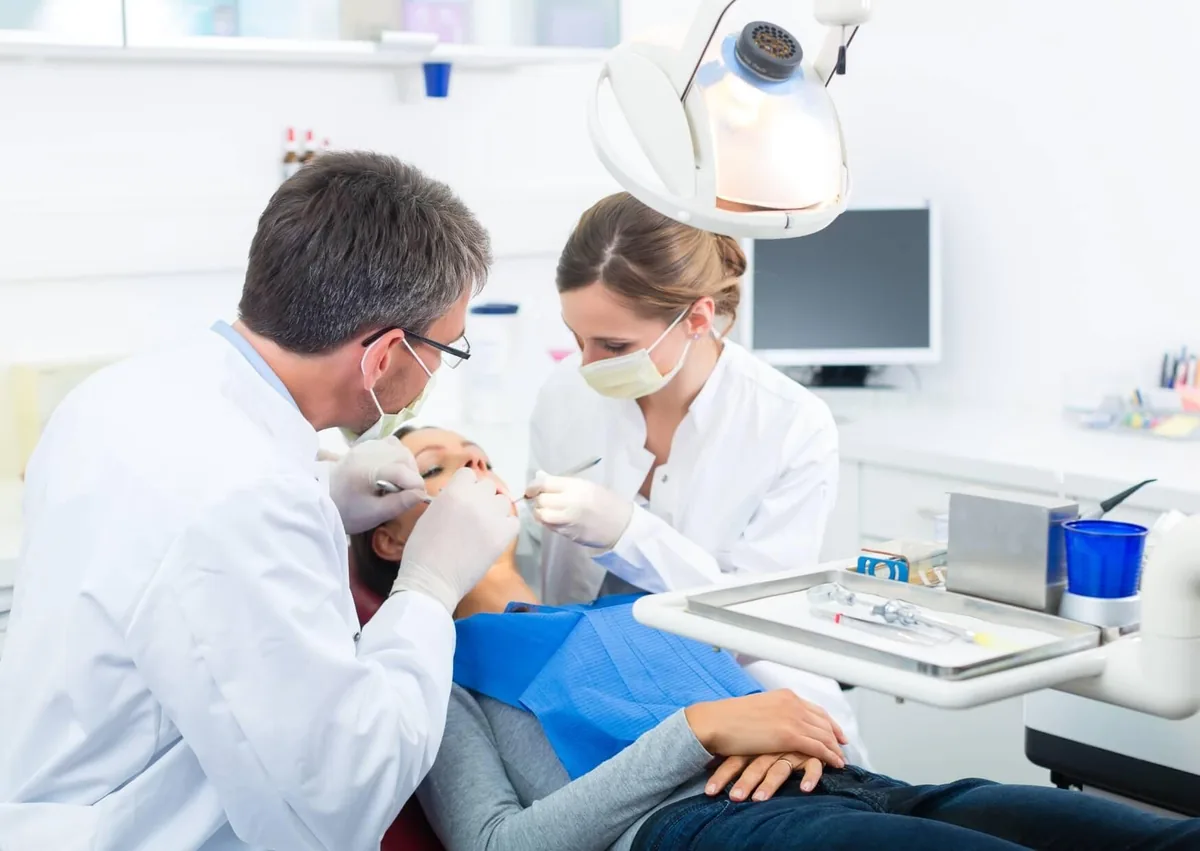
The area is usually numbed with local anesthetic, and sedation may be considered when appropriate. The clinician removes the restoration if needed, accesses the implant, and uses the least traumatic method that is likely to work.
After removal, the site is cleaned and reassessed. Bone grafting may be recommended to preserve or rebuild the ridge, but it is not necessary in every case.
A replacement implant can sometimes be placed during the same visit if infection is controlled and enough healthy bone provides initial stability. In other cases, the site heals first and is then re-evaluated for imaging, implant placement, integration, and final restoration.
A temporary tooth, bridge, or denture may be used during healing. It must avoid harmful pressure on the surgical site, and immediate temporary teeth are not right for every patient.
Mild soreness, swelling, bruising, and slight bleeding are common during the first several days. Many people return to routine nonstrenuous activity within a few days, although a difficult removal or bone graft can extend recovery.
Soft tissue often heals over one to two weeks. Bone remodeling takes much longer, so treatment can span several months if grafting or delayed replacement is needed.
Follow the treating clinician’s instructions for hygiene, diet, activity, and medications. Seek prompt care for worsening swelling, fever, pus, uncontrolled bleeding, severe or increasing pain, new numbness, difficulty swallowing or breathing, or a loose implant or restoration.
Long-term success depends on correcting the cause of the original problem. Daily plaque removal, professional maintenance, stable gum health, controlled medical conditions, and avoiding tobacco or nicotine all improve the environment around implants.
A night guard may help if clenching or grinding overloads the restoration. Full-arch prostheses also need periodic checks for screw loosening, material wear, hygiene access, and bite changes.
Regular exams and appropriate imaging can detect inflammation, bone loss, or mechanical problems before they become more serious. Persistent bleeding, swelling, bad taste, discomfort, or movement should be evaluated rather than ignored.
Removal may be reasonable for someone with a confirmed failing implant, untreatable structural damage, progressive infection-related bone loss, harmful positioning, or a full-mouth reconstruction plan that cannot use the existing implant.
Replacement candidacy depends on gum health, available bone or a workable grafting plan, healing capacity, and the ability to maintain the final restoration.
Sometimes the best recommendation is not removal. If the implant is stable and the problem comes from a repairable crown, attachment, or another dental condition, monitoring or repair may be the better option.
A comprehensive exam with current imaging is the safest next step when symptoms are persistent, worsening, or unclear. That evaluation helps determine whether the implant should be retained, repaired, removed, or replaced.
If you are ready to explore replacement options or evaluate whether an implant can be preserved, a focused implant consultation can clarify diagnosis, treatment sequencing, and grafting needs.
Contact Scottsdale Center for Implant Dentistry for dental implants in Scottsdale, AZ and nearby North Scottsdale or Carefree, AZ by calling (480) 306-8510 to schedule an appointment.
Local anesthetic is used to numb the area, so patients should not feel sharp pain during the procedure. Temporary soreness and swelling afterward are common, and the amount depends on how complex the removal is.
Usually, no. If replacement is appropriate, a new sterile implant is typically placed either immediately or after the bone and gum tissue heal.
Yes. Many implant crowns, abutments, screws, and denture attachments can be repaired or replaced while leaving a healthy implant in place.
Some problems can be treated without removing the implant. However, untreated peri-implantitis or severe mechanical failure can lead to more bone loss, infection, discomfort, or damage to the restoration.
Coverage varies by plan, diagnosis, provider network, and whether grafting or replacement is included. For estimated costs, see cost of dental implants, and request a written treatment estimate before nonurgent care.