Dental bonding is a conservative cosmetic treatment that uses tooth-colored composite resin to repair small chips, close minor gaps, reshape uneven edges, and conceal limited discoloration. It can often improve a smile in one visit with little or no enamel removal, but it is less stain-resistant and durable than porcelain and is not the right choice for every damaged tooth.
If you're weighing conservative cosmetic options to repair chips, close small gaps, or refresh tooth shape, cosmetic dentistry can help you understand whether bonding or another procedure is best. Scottsdale Center for Implant Dentistry in Scottsdale, AZ can review your goals, explain realistic outcomes, and recommend a treatment that balances appearance with tooth health.
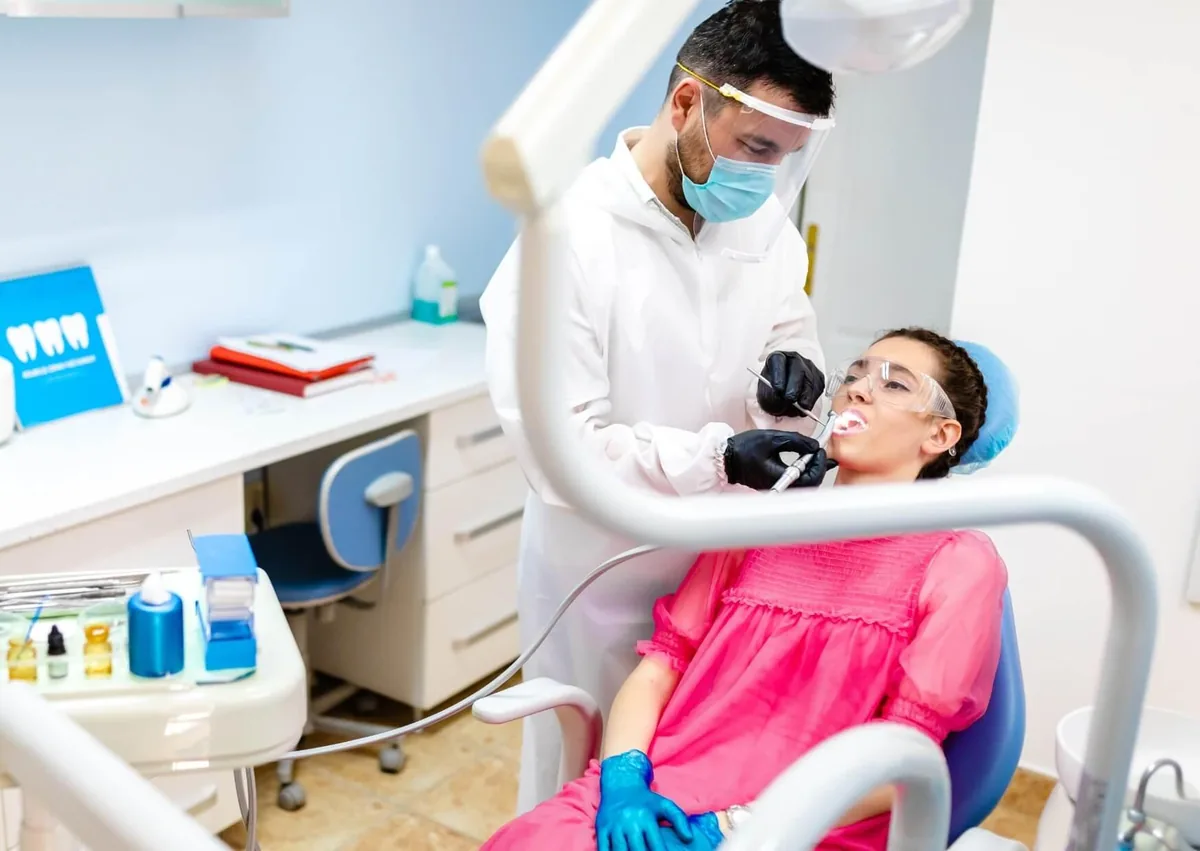
During dental bonding, a dentist applies a moldable resin to the tooth, shapes it, and hardens it with a curing light. The material is then refined and polished so it blends with the surrounding enamel.
Dental bonding may be used for:
Because resin can add material but cannot move teeth or correct the underlying bite, significant crowding, large gaps, and alignment problems may require orthodontic treatment. Extensive decay, deep fractures, or structurally weak teeth may be better treated with composite fillings, a veneer, an onlay, or a crown.
The best restoration depends on how much healthy tooth remains, how much force the tooth absorbs, your cosmetic goals, and how long you want the result to last. A visible flaw can sometimes reflect decay or a deeper crack, so an exam should come before any cosmetic recommendation.
|
Treatment |
Common Use |
Tooth Alteration |
Relative Durability |
Key Limitation |
|---|---|---|---|---|
|
Dental bonding |
Small chips, gaps, and shape changes |
Usually minimal |
Moderate |
Can stain, chip, or lose polish |
|
Porcelain veneer |
Broader cosmetic changes on front surfaces |
Usually some enamel removal |
Often greater than bonding |
Higher cost and generally irreversible |
|
Crown |
Major damage, weakness, or extensive restoration |
Substantial reshaping |
Designed for structural coverage |
Removes more tooth structure |
|
Orthodontics |
Crowding, spacing, or bite correction |
None for the restoration itself |
Can provide lasting alignment |
Requires a longer treatment period |
Bonding is usually the most conservative choice when the concern is small and the tooth is otherwise healthy. Porcelain veneers can provide better color stability for broader cosmetic changes; for a detailed comparison, see veneers vs. crowns. Meanwhile, dental crowns are intended primarily to restore and protect teeth that need more structural support.
Modern tools and digital treatment planning can make cosmetic results more predictable, even though bonding does not involve surgery or robotic placement. Digital photos, intraoral scans, and smile simulations can help evaluate tooth proportions, symmetry, color, and how planned changes fit the bite.
For more complex reshaping, a digital or physical wax-up can preview the proposed result before treatment. A silicone guide made from that model may help transfer planned contours more accurately, though the final result still depends on clinical judgment, resin handling, finishing, and polishing.
Shade selection is usually done before the teeth dry out, because dehydrated enamel can appear temporarily lighter. In some cases, layering resins with different translucencies helps mimic the way natural enamel reflects light.
The visit starts with an exam of the teeth, gums, and bite. X-rays may be needed if there is concern about decay, an older restoration, or damage below the visible surface.
The tooth is cleaned, and the surface is gently conditioned so the resin can adhere. An adhesive is applied, followed by composite resin that is shaped and hardened in layers with a curing light.
The dentist then refines the contour, checks the bite, and polishes the restoration. Anesthetic is often unnecessary when treatment stays on the enamel surface, but it may be used if decay is removed or the area is sensitive.
Dental bonding does not involve a surgical recovery period, so most people return to normal activities right away. Mild sensitivity can happen, especially when bonding covers an exposed root or follows treatment for decay.
A single tooth can often be completed in one visit. If several teeth are being treated, the work may take longer or be divided into separate appointments.
The result is visible immediately, though the gums may need a short time to settle if work was done near the gumline. Avoid biting hard foods or objects with the treated tooth at first, and call the office if the bite feels uneven after numbness wears off.
Dental bonding lasts several years, but there is no guaranteed lifespan. Longevity depends on the size and location of the bonding, bite pressure, grinding, diet, oral hygiene, and habits such as nail-biting.
Composite resin does not resist stains as well as porcelain or natural enamel. Coffee, tea, red wine, tobacco, and strongly pigmented foods may gradually darken the material, and whitening products will not lighten existing resin.
Regular dental exams help a dentist check the margins, polish minor surface staining, and catch early wear or chipping. A protective nightguard may be recommended for people who clench or grind, and if longevity is your main concern, learn more about how long porcelain veneers last.
The cost of dental bonding depends on how many teeth are treated, how large each repair is, how complex the shaping is, and local office fees. Bonding often costs less upfront than porcelain veneers, but future polishing, repairs, or replacement can affect long-term value.
Insurance may help when bonding restores a tooth damaged by decay or injury. When treatment is done only to improve appearance, coverage is often limited or excluded, so it is wise to request a written estimate and verify benefits in advance.
Dental bonding works best for people with healthy teeth and gums who want modest changes in shape, spacing, or color. Adequate enamel supports more predictable adhesion, and a stable bite lowers the risk of repeated chipping.
Untreated cavities, active gum disease, severe enamel loss, large fractures, or major bite problems should be addressed first. Frequent breakage can point to grinding, an unfavorable bite, or weak tooth structure rather than a simple material problem.
Seek prompt dental care if a tooth is loose, severely painful, increasingly swollen, or sharply sensitive after an injury. Facial swelling, fever, trouble swallowing, trouble breathing, or uncontrolled bleeding requires urgent evaluation, with emergency care for breathing or swallowing problems.
A cosmetic consultation should include an exam, a discussion of realistic color and shape limits, and a comparison of conservative alternatives. Reviewing the proposed contour, expected maintenance, total fees, and repair policy can help you make an informed decision.
To confirm whether bonding or an alternative will meet your goals, schedule a cosmetic consultation to review options, costs, and expected longevity. Call Scottsdale Center for Implant Dentistry in Scottsdale, AZ (480) 306-8510 to book an appointment for cosmetic dentistry; we also serve North Scottsdale and Carefree.
Bonding limited to enamel is usually comfortable and may not require anesthetic. Sensitivity and anesthetic needs can differ when decay, exposed roots, or deeper tooth damage are involved.
Bonding can close small spaces by adding resin to the neighboring teeth. Larger gaps or spaces caused by tooth movement, missing teeth, or bite problems may be better managed with orthodontics or another treatment.
Yes. Composite resin can pick up surface stains and lose some polish over time.
Professional polishing may improve minor discoloration, but deeply stained or mismatched bonding may need replacement.
Whitening products change natural tooth color but do not lighten composite resin. If whitening is planned, it is often done first so the bonding can later be matched to the lighter shade.
Small chips can often be repaired by adding and polishing new resin. Repeated or extensive fractures should be evaluated to determine whether the bite or remaining tooth structure makes another restoration a better option.