An implant-supported bridge replaces several missing teeth with a fixed restoration that is anchored by implants instead of neighboring natural teeth. This approach can improve chewing, speech, comfort, and appearance while helping preserve bone in the treated area, and it is often used when multiple adjacent teeth are missing and a removable option is not ideal.
If you're replacing several missing teeth, dental implants can support a fixed bridge without relying on adjacent teeth. Scottsdale Center for Implant Dentistry in Scottsdale, AZ provides individualized evaluation and planning to help you understand whether this approach can offer a stable, natural-looking result for your mouth.
A traditional dental bridge, often called fixed bridges, is usually supported by prepared teeth on both sides of a gap. An implant-supported bridge is attached to implants instead, which are typically titanium posts that bond with the jaw through osseointegration.
Not every missing tooth needs its own implant. In many cases, two implants can support a three- or four-tooth bridge, although the exact design depends on bone quality, implant position, bite forces, and span length.
Because implants transfer chewing forces into the jaw, they can help reduce bone loss in the treated area. They do not stop all natural bone changes over time or protect areas where implants are not placed.
An implant-supported bridge may be recommended when several neighboring teeth are missing, failing, or cannot be restored predictably. It can also be a fixed alternative for someone who wants more stability than a removable partial denture can provide.
Planning starts with the condition of the gums, remaining teeth, bite, available bone, and overall health. Active gum disease, untreated decay, or infection usually needs to be treated before implants are placed.
Although the bridge stays in place, it still must be cleaned carefully around and underneath the restoration. The bridge may be screw-retained or cement-retained, and each design has different clinical advantages.
A single implant usually replaces one missing tooth with an individual crown. It can preserve nearby healthy teeth, but placing separate implants for several adjacent missing teeth is not always necessary or the best design choice. For a practical comparison, see fixed bridge vs. implant.
An implant-supported bridge replaces a connected section of missing teeth using fewer implants than replacement teeth in many cases. This option is commonly used for multiple adjacent missing teeth when the anatomy and bite can support a fixed span predictably.
All-on-4 is a full-arch treatment concept that uses four implants to support a complete row of teeth. Other full-arch plans may use more than four implants depending on bone volume, anatomy, restorative goals, and the need for additional support.
A full-arch restoration may be appropriate when most or all teeth in one arch are missing, failing, or not restorable. Some cases allow a temporary fixed restoration on the day of surgery if implant stability and other clinical conditions are favorable.
3-D cone beam imaging gives the dental team a three-dimensional view of the jaw. It helps evaluate bone dimensions and identify important structures such as nerves, sinus spaces, and nearby tooth roots.
Digital scans can be combined with CBCT data to plan implant positions around the final tooth design. This prosthetically driven process starts with where the bridge should be placed, then works backward to identify implant positions that can support it safely and effectively.
A computer-generated surgical guide may help transfer that plan to the mouth. Some clinicians also use dynamic navigation or robotic assistance for real-time guidance during surgery.
Guided or robotic placement can improve precision, but no technology guarantees success or replaces surgical judgment. Bone quality, tissue condition, visibility, and implant stability still matter during the actual procedure.
Planning usually includes a medical and dental history, clinical exam, periodontal evaluation, bite analysis, photographs or digital scans, and three-dimensional imaging when needed. For more detail on this phase, see implant treatment planning.
The team also evaluates smile line, restorative space, and whether the future bridge can be cleaned effectively. That matters because a well-designed bridge should be both functional and maintainable.
Some patients need extractions, bone grafting, or sinus augmentation before or during implant placement. These steps can improve the implant site, but they may add healing time and are not necessary in every case. To review practical preparation steps, see how to prepare for dental implants.
Implant surgery is usually performed with local anesthesia, and sedation may be considered when appropriate. After placement, healing caps may remain visible above the gums, or the implants may be covered during healing.
Once integration is adequate, the dentist records implant positions and designs the final bridge. A provisional restoration may be used first to test appearance, speech, bite, and cleanability before the definitive bridge is delivered.
Mild to moderate soreness, swelling, bruising, and minor bleeding are common during the first few days after surgery. Many patients return to routine nonstrenuous activity within a few days, but recovery depends on the extent of surgery and whether grafting or extractions were involved.
A temporary soft-food diet is often recommended while the surgical area heals. Postoperative instructions should come from the treating clinician because diet, hygiene, and activity guidance varies by procedure.
Implants often need several weeks to several months of healing before they can support the final bridge. Grafting, medical factors, initial implant stability, and the type of restoration can shorten or extend the timeline.
Call the dental team if bleeding does not slow, pain or swelling worsens after early improvement, fever develops, pus appears, the bite feels off, or a temporary restoration becomes loose. Trouble breathing or swallowing, rapidly spreading swelling, or uncontrolled bleeding requires urgent medical attention.
Implant-supported bridges can function for many years, but they are not maintenance-free. Plaque buildup around implants can irritate the tissues and may contribute to peri-implantitis, which involves inflammation and progressive bone loss around an implant.
Daily care may include brushing, floss threaders, interdental brushes, or a water flosser depending on the bridge design. The dental team should show you how to clean beneath the bridge without injuring the surrounding tissues.
Professional follow-up helps monitor gum health, bone levels, bite forces, screws, and restorative materials. A night guard may be recommended for clenching or grinding, although it cannot eliminate all mechanical risk.
Smoking and poorly controlled diabetes are linked with higher complication rates. Consistent home care, regular maintenance visits, and prompt evaluation of looseness, chipping, bite changes, or cleaning difficulty support long-term success.
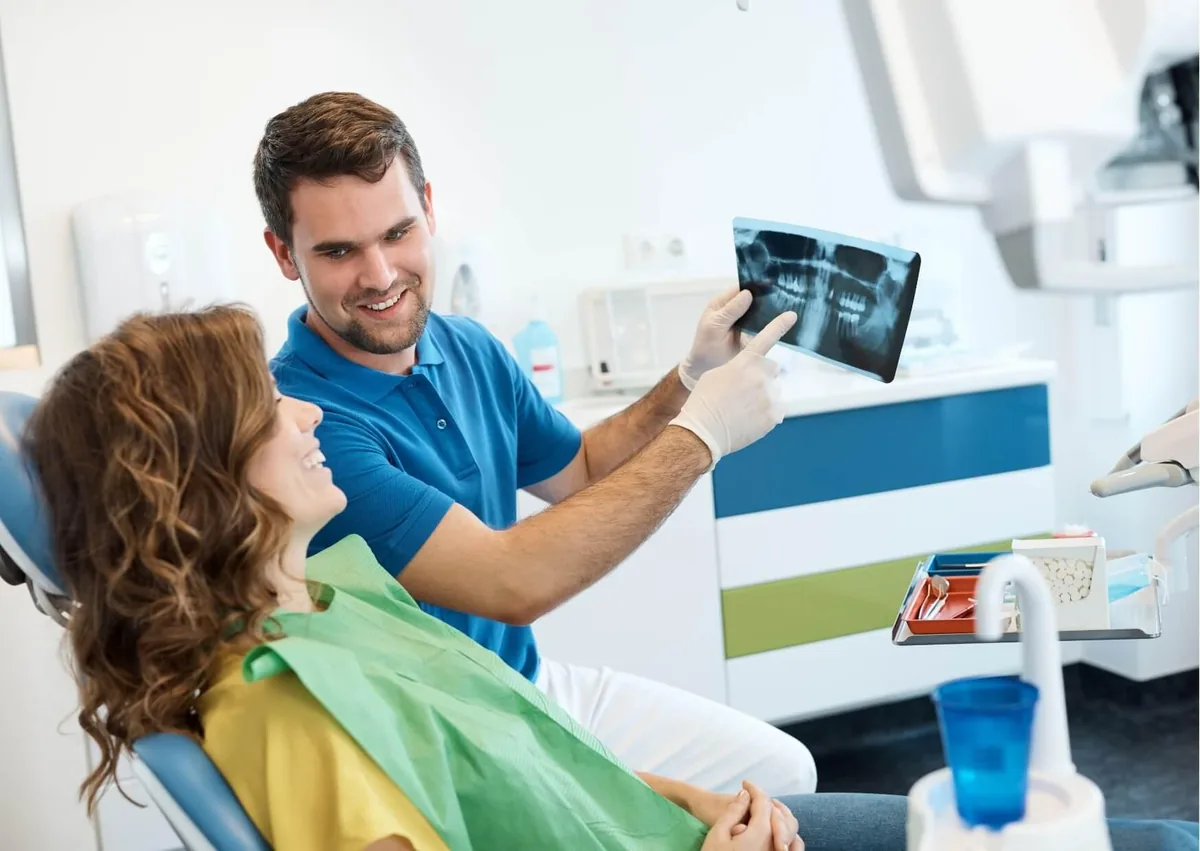
Good candidates usually have enough bone for implant placement or are able to undergo grafting, along with healthy or treatable gums and medical health that supports healing. Home-care ability, expectations, and willingness to attend follow-up visits also matter.
Age alone does not determine eligibility, and chronic conditions such as osteoporosis do not automatically rule out treatment. The clinician should review medical conditions, tobacco or nicotine use, prior radiation treatment, and all medications because these factors can affect healing and surgical planning.
A consultation with a qualified restorative dentist and implant surgeon can clarify whether an implant-supported bridge, individual implants, or a full-arch solution is the most predictable choice. For help choosing dental implants or bridges, bring a current medication list and questions about cost, staging, temporary teeth, maintenance, and alternatives.
To learn whether implants can support the bridge you need, schedule a consultation to review imaging, treatment options, and costs. Call Scottsdale Center for Implant Dentistry for dental implants in Scottsdale, AZ, serving nearby Phoenix and Tempe, at (480) 306-8510 to book an appointment or request availability.
There is no guaranteed lifespan. The implants may function for many years, while the bridge itself may eventually need repair or replacement because of wear, fracture, bite changes, or cosmetic changes.
Most implant-supported bridges are fixed and can only be removed by a dental professional. Implant-supported overdentures are different because patients remove them for cleaning.
Local anesthesia is used to control discomfort during surgery, and sedation may be available when appropriate. Some soreness and swelling are common afterward, but severe or worsening pain should be reported to the treating clinician.
A temporary bridge can sometimes be attached on the same day the implants are placed. This immediate-loading approach depends on implant stability, bone quality, bite forces, and whether the implants can be protected during healing, while the final bridge is usually delivered later.
Cleaning implant bridges usually requires tools that can reach beneath the replacement teeth and around each implant, such as floss threaders or properly sized interdental brushes. The dental team should recommend the right tools for your bridge design and confirm that the area can be cleaned effectively.