The three main types of dental implants are endosteal, subperiosteal, and zygomatic implants. Endosteal implants are placed in the jawbone and are used most often, subperiosteal implants rest on top of the jawbone under the gum tissue, and zygomatic implants anchor in the cheekbone for selected cases of severe upper-jaw bone loss.
These implant types are different from the number of teeth being replaced. Depending on your anatomy and treatment goals, implants may support one crown, a bridge, a removable denture, or a fixed full-arch restoration.
If you're weighing options for replacing missing teeth or stabilizing dentures, understanding dental implants can make the next step feel more manageable. Scottsdale Center for Implant Dentistry in Scottsdale, AZ helps patients compare solutions clearly and choose a plan that restores comfort, function, and confidence.
Endosteal implants are the standard option in modern implant dentistry. They are usually screw-shaped titanium or titanium-alloy posts placed directly into the upper or lower jawbone.
After placement, the implant bonds with the bone through osseointegration. Once healed, it can support a crown, bridge, or full-arch prosthesis.
This option works best when there is enough healthy bone for stability. In some cases, bone grafting can help create a better foundation, although grafting is not necessary for every patient.
A subperiosteal implant uses a custom framework placed on top of the jawbone but beneath the gum tissue. It does not rely on a conventional implant body being inserted deep into the bone.
These implants are uncommon in current U.S. practice. They may still be considered in selected cases when standard endosteal placement and bone augmentation are not practical or appropriate.
Zygomatic implants are extra-long implants that anchor in the zygomatic, or cheek, bone instead of relying mainly on a severely resorbed upper jaw. They are used in selected upper-arch cases where major bone loss would otherwise require extensive grafting.
Placement is technically demanding and occurs near critical anatomy such as the sinus, orbit, nerves, and blood vessels. Because of that complexity, treatment should be planned and performed by a clinician or team with specific training and experience.
The implant type describes where and how the implant is anchored. The treatment option describes how many teeth are being replaced and what kind of restoration attaches to the implants.
|
Treatment Option |
Typical Purpose |
Common Configuration |
|---|---|---|
|
Single-tooth implant |
Replaces one missing tooth without preparing adjacent teeth for a bridge |
One endosteal implant, an abutment, and a crown |
|
Implant-supported bridge |
Replaces several neighboring teeth |
Two or more implants supporting connected replacement teeth |
|
Supports a complete fixed arch using a specific four-implant concept |
Four implants, often with the back implants angled to use available bone |
|
|
Full-arch restoration |
Replaces all teeth in an upper or lower arch |
Commonly four to six or more implants, depending on anatomy and design |
|
Implant-retained denture |
Improves removable denture stability |
Usually two or more implants with attachment components |
All-on-4 is a treatment concept, not one of the three anatomical implant types. Likewise, “full-mouth implants” usually means restoring both arches, not placing one implant for every missing tooth. See choosing implants or bridges for more on comparing replacement options.
In some cases, a fixed temporary set of teeth can be attached on the day of surgery. This immediate-loading approach depends on implant stability, bone quality, bite forces, and whether the temporary restoration can be protected during healing.
Modern implant treatment often starts with an exam, medical and dental history, gum evaluation, and three-dimensional imaging. A CBCT scan and digital treatment planning help the dentist plan implant positions around the final teeth, not just the available bone.
Computer-guided surgery uses that plan to create a surgical guide that directs drilling and implant placement. Dynamic navigation tracks instruments in real time, and robotic systems can add guidance and physical boundaries based on the approved plan.
These technologies can improve control over implant angle, depth, spacing, and restorative alignment. They may also support more precise surgery in appropriate cases, but they do not remove surgical risk or replace clinical judgment. For a more detailed look at preoperative coordination, see implant treatment planning.
The dental team evaluates bone volume, gum health, tooth position, bite, smile line, and nearby structures such as nerves and sinuses. Active infection, untreated gum disease, or severely damaged teeth may need to be addressed before implant surgery.
Medical factors also matter. Diabetes control, smoking or nicotine use, immune status, prior radiation to the jaws, and medications that affect bone healing or bleeding can all influence treatment decisions.
Patients can also review how to prepare for dental implants to better understand the preoperative process.
Implant placement is commonly performed with local anesthesia, and sedation may be considered when appropriate. The implant is inserted into a carefully prepared site, and a healing component or temporary tooth may be placed if stability allows.
Some patients also need tooth removal, bone grafting, or sinus augmentation before or during surgery. These added procedures can affect healing time and whether immediate temporary teeth are advisable.
After osseointegration, an abutment connects the implant to the visible crown, bridge, or full-arch prosthesis. The final restoration is designed for function, cleanability, bite stability, and natural appearance.
This phase may take several visits to refine fit, speech, esthetics, and bite contacts. Even when temporary teeth are delivered early, the final restoration is usually made after the tissues and implants have healed.
Swelling, mild bleeding, bruising, and soreness are common during the first few days after surgery. Patients should follow their clinician’s instructions for hygiene, diet, activity, and medications.
Many people return to routine activities within a few days, but healing under the gums takes much longer. Osseointegration commonly takes about three to six months, although timing varies based on bone quality, implant location, grafting, health factors, and loading strategy.
Patients should contact the treating office for worsening pain after initial improvement, persistent bleeding, fever, pus, increasing swelling, a loose implant or temporary tooth, or ongoing numbness. Trouble breathing or swallowing, rapidly spreading swelling, uncontrolled bleeding, or swelling near the eye requires urgent or emergency evaluation.
Dental implants do not get cavities, but the surrounding tissues can still become inflamed or lose supporting bone. Peri-implant mucositis affects the soft tissue, while peri-implantitis involves progressive bone loss that can threaten the implant.
Long-term care includes daily plaque removal, cleaning under bridges or full-arch restorations with recommended tools, and professional maintenance visits based on risk level. A nightguard may also be recommended for patients who clench or grind.
Smoking, poorly controlled diabetes, inadequate hygiene, untreated gum disease, heavy bite forces, and missed maintenance visits can increase complication risk. Restorative parts can also loosen, wear, or chip even when the implant itself remains integrated. For more on complications and risk factors, see dental implant failure.
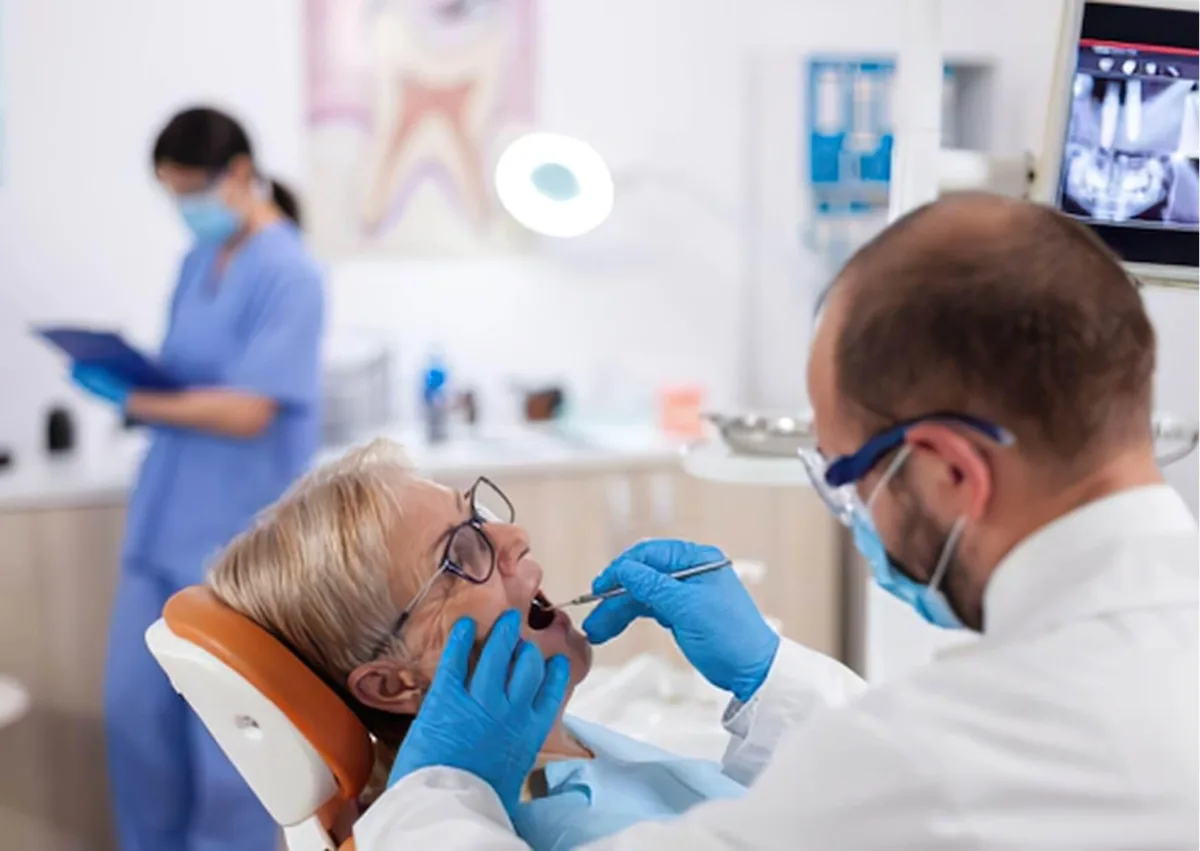
Good candidates usually have healthy or treatable gums, enough bone for implant support or a realistic augmentation plan, and overall health that allows for oral surgery. Age alone does not decide candidacy, but jaw growth should be complete before routine implant placement in younger patients.
A personalized evaluation is especially important after major bone loss, prior implant failure, radiation involving the jaws, complex sinus disease, or use of certain antiresorptive or immune-modifying medications. Patients with missing teeth, unstable dentures, or failing full arches should ask which implant design and restoration best fit their anatomy and goals.
To explore whether implants are right for you, arrange a consultation to review images and options. Call Scottsdale Center for Implant Dentistry about dental implants in Scottsdale, AZ or nearby Phoenix and Tempe at (480) 306-8510 to schedule your visit.
Endosteal implants are the most common type because they can support single crowns, bridges, dentures, and fixed full-arch restorations. Their use depends on having enough bone or being able to create a suitable foundation safely.
No. All-on-4 is a full-arch treatment concept that typically uses four endosteal implants to support a fixed restoration, often with the back implants angled to maximize available bone. See how many implants for All-on-4 for more detail.
Sometimes. Short or angled implants, All-on-4 planning, or zygomatic implants may reduce or avoid grafting in selected cases, but the safest option depends on three-dimensional imaging and a clinical exam.
Well-integrated implants can function for many years and often for decades, but no lifetime result can be guaranteed. Hygiene, general health, nicotine exposure, bite forces, maintenance, and the condition of the restoration all affect longevity.
Local anesthesia is used to control pain during surgery, and some soreness and swelling are expected afterward. Pain that is severe, persistent, or getting worse should be evaluated by the treating clinician.