The main difference in gingivitis vs. periodontitis is whether gum inflammation has caused permanent damage to the tissues and bone that support your teeth. Gingivitis is usually a reversible condition that often improves with dental exams & cleanings and effective plaque removal at home; if you want more detail on reversibility, see reverse gum disease.
Periodontitis involves attachment and bone loss, so it requires ongoing care to control infection and reduce the risk of loose or missing teeth.
Symptoms alone cannot reliably tell you which condition you have because early periodontitis may cause little or no pain. A dentist or dental hygienist distinguishes the two through an exam, gum-pocket measurements, and dental X-rays when needed.
If persistent bleeding, deep pockets, or gum recession make you worry about worsening gum disease, periodontal treatment can confirm the diagnosis and start infection control. Scottsdale Center for Implant Dentistry in Scottsdale, AZ provides coordinated care and follow-up focused on reducing inflammation, protecting teeth, and improving long-term stability.
Gingivitis usually begins when plaque, a sticky film of bacteria, stays along the gumline. The gums may look red, swollen, tender, or bleed during brushing or flossing, although some people notice only mild changes.
At this stage, inflammation is limited to the gums. There is no detectable loss of supporting bone or connective attachment around the tooth.
Professional removal of plaque and tartar, along with better daily cleaning, can often return the gums to health. That is why early treatment matters.
Smoking or vaping, dry mouth, diabetes, hormonal changes, crowded teeth, and medications that affect saliva or gum tissue can raise risk. Bleeding can also have causes other than gum disease, so persistent or unexplained symptoms deserve evaluation.
Periodontitis develops when plaque-related inflammation extends below the gumline. The gum attachment pulls away from the tooth and creates deeper spaces called periodontal pockets, where bacteria and tartar are harder to remove at home.
Over time, this inflammation can damage the periodontal ligament and jawbone that hold teeth in place. Possible signs include gum recession, bad breath, pus, shifting teeth, bite changes, or loose teeth, but bone loss can progress without obvious pain.
Gingivitis does not always become periodontitis. Risk is higher with tobacco use, poorly controlled diabetes, a history of periodontal disease, certain immune conditions, genetic susceptibility, and inconsistent oral hygiene or professional care.
|
Feature |
Gingivitis |
Periodontitis |
|---|---|---|
|
Area affected |
Gum tissue |
Gums, tooth attachment, and supporting bone |
|
Common findings |
Redness, swelling, bleeding |
Deeper pockets, recession, bone loss, mobility |
|
Permanent damage |
Usually no attachment or bone loss |
Attachment and bone loss are present |
|
Reversibility |
Often reversible |
Damage is generally not reversible, but progression can often be controlled |
|
Typical care |
Professional cleaning and improved home care |
Periodontal therapy followed by ongoing maintenance |
Bleeding gums alone are not enough to diagnose either condition. Recession alone also does not prove periodontitis.
Clinicians look at the full pattern of inflammation, pocket depth, attachment loss, bone levels, risk factors, and changes over time. That full picture determines the diagnosis.
A periodontal evaluation usually includes checking for plaque, tartar, bleeding, recession, tooth movement, and bite changes. A small calibrated instrument measures the spaces around each tooth, and X-rays may show the pattern and extent of bone loss.
Digital charting and modern imaging help clinicians compare findings over time and plan care more precisely. Three-dimensional cone-beam CT imaging may help in selected complex surgical or implant cases, but routine periodontal diagnosis usually relies on the exam, measurements, and standard dental X-rays.
Periodontitis may also be classified by stage and grade. Stage reflects severity and treatment complexity, while grade estimates the rate of progression and the influence of risk factors.
These findings cannot be established accurately from a photo or home test alone. A clinical exam is what confirms whether the problem is gingivitis or periodontitis.
Treatment usually starts with a professional cleaning to remove plaque and tartar. Patients also receive guidance on brushing and cleaning between the teeth more effectively.
A clinician may address plaque-retaining dental work, dry mouth, tobacco exposure, or medical factors that make inflammation harder to control. Bleeding may happen at first when inflamed gums are cleaned carefully, but it should improve as inflammation resolves.
Avoiding the area usually allows more plaque to build up. Painful or heavy bleeding should be evaluated rather than treated with forceful brushing or flossing.
Initial treatment often includes scaling and root planing, which cleans below the gumline and removes deposits from root surfaces. Local anesthesia may be used for comfort, and the tissues are reassessed after healing.
If deeper defects remain, treatment may include periodontal surgery, regenerative procedures, or extraction when a tooth cannot be predictably maintained. Antibiotics are useful only in selected situations and do not replace mechanical removal of plaque and tartar.
Some clinicians follow evidence-based treatment guidelines when choosing between non-surgical care, surgery, and maintenance. Some also use laser dentistry for gum disease as an adjunct in specific cases.
Dental implants do not treat active gum disease, but they may replace teeth that are already missing or cannot be saved. Depending on the situation, options may include a single implant and crown, an implant-supported bridge, or a full-arch fixed restoration supported by several implants, sometimes called All-on-4.
These options may help patients with extensive tooth loss, unstable dentures, or teeth with a hopeless prognosis. The right design depends on bone anatomy, bite forces, health history, restorative space, and the planned tooth replacement.
Active gum disease should be controlled before implant placement because peri-implantitis can damage the bone around implants in a similar way; learn more about how gum disease affects implants. A history of periodontitis does not automatically rule out dental implants, but it does increase risk and makes long-term maintenance especially important.
If you are comparing replacement options after tooth loss, see choosing dental implants or bridges. The best option depends on the condition of the remaining teeth, bone support, and long-term maintenance needs.
When implants are needed, planning may combine a three-dimensional scan with a digital model of the teeth. This helps identify available bone, restorative space, and nearby anatomical structures.
Computer-guided or robotic-assisted placement can improve positional precision by transferring the digital plan more accurately to the mouth. Even so, technology does not remove surgical risk or guarantee success.
Treatment usually moves through planning, implant placement, healing, and final restoration. Some cases also require bone grafting or temporary teeth before the final crown, bridge, or full-arch restoration is delivered.
After periodontal treatment or implant surgery, mild swelling, soreness, bruising, or minor bleeding can occur. These symptoms usually improve over the next several days.
Healing time varies with the type of treatment, the severity of disease, and whether grafting or implants are involved. Periodontal therapy may stabilize the condition quickly, but full implant treatment often takes several months.
Long-term success depends on consistent plaque control and professional maintenance. Patients treated for periodontitis often need periodontal maintenance more often than a standard preventive schedule.
Daily care usually includes brushing twice a day with fluoride toothpaste and cleaning between teeth or around implants with tools chosen for the individual mouth. Tobacco cessation, diabetes management, and prompt attention to recurrent bleeding or swelling can improve long-term outcomes.
Teeth and implants still need regular examination because inflammation, bite changes, wear, or loosening can develop without early pain. No tooth or implant can be promised to last for life, but many patients maintain function for years with appropriate care.
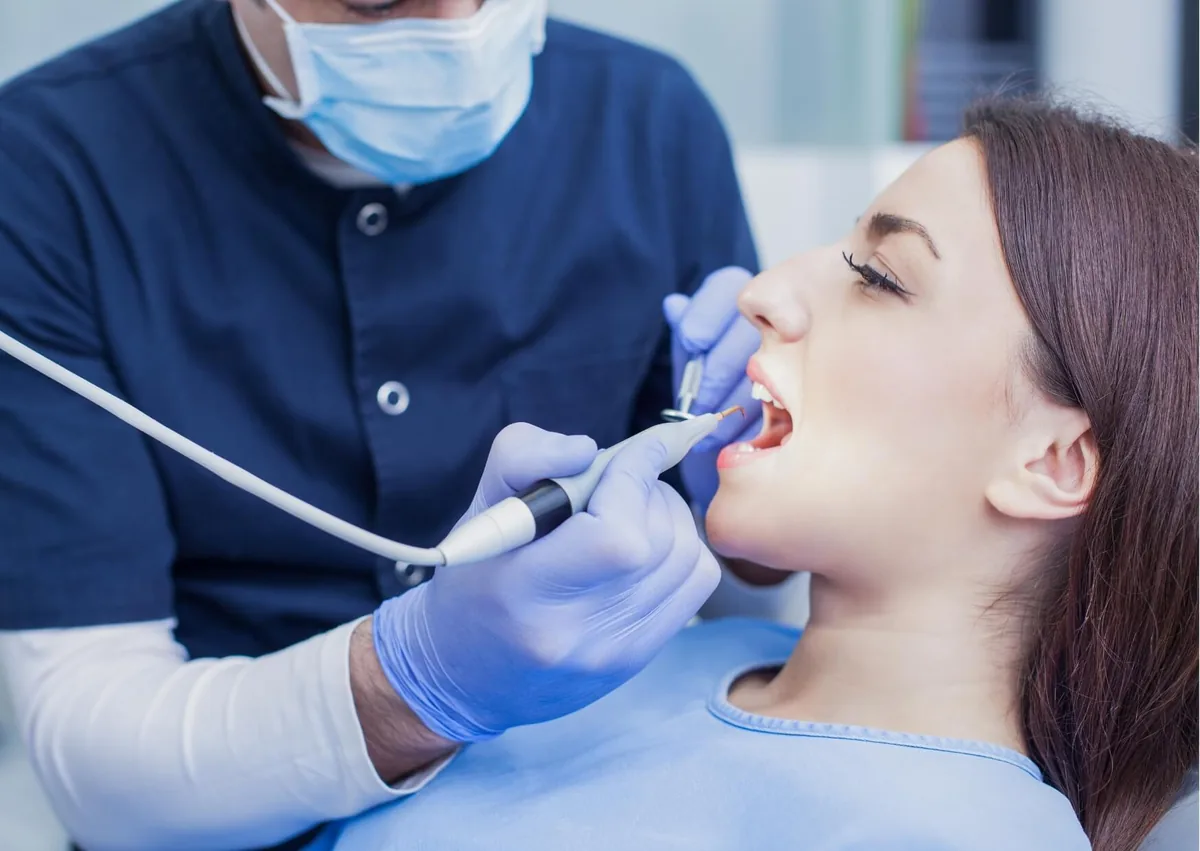
Arrange a dental evaluation if your gums bleed repeatedly or if you notice bad breath, recession, tenderness, pus, or changes in tooth position or bite. Earlier assessment usually allows more conservative treatment and helps determine whether the problem is reversible gingivitis or periodontitis that needs long-term management.
Seek prompt care for facial swelling, fever, rapidly worsening pain, difficulty opening the mouth, or drainage with illness. Trouble breathing or swallowing, swelling extending toward the eye or neck, or severe uncontrolled bleeding requires emergency medical attention.
A comprehensive periodontal exam can confirm the diagnosis, document current bone and attachment levels, and identify realistic options for preserving or replacing teeth. The next step should be based on those findings rather than symptoms alone.
A comprehensive periodontal exam is the next step to confirm the extent of disease and plan treatment that helps preserve or replace teeth. Contact Scottsdale Center for Implant Dentistry for periodontal treatment in Scottsdale, AZ and nearby Phoenix or Tempe to discuss options and arrange care; call (480) 306-8510 or request an appointment online.
Yes. Untreated gingivitis can progress to periodontitis in susceptible people, but progression is not inevitable.
Risk depends on bacterial exposure, tobacco use, diabetes control, immune response, genetics, and oral care. Early treatment lowers the chance of lasting damage.
Lost attachment and bone generally do not grow back on their own, so periodontitis is usually considered controllable rather than simply cured. Treatment can reduce inflammation and pocket depth, and selected defects may be candidates for regenerative procedures.
No. Bleeding often happens with plaque-related inflammation, but injury, hormonal changes, medications, and some health conditions can also contribute.
Repeated or unexplained bleeding should be evaluated. The cause is not always obvious without an exam.
Yes. Periodontitis is often painless until it becomes advanced, which is why gum measurements and appropriate X-rays matter even when your mouth feels normal.
Possibly, after active disease is treated and risk factors are assessed. Adequate bone, manageable medical risks, effective home care, and commitment to maintenance all influence candidacy and long-term implant stability.